
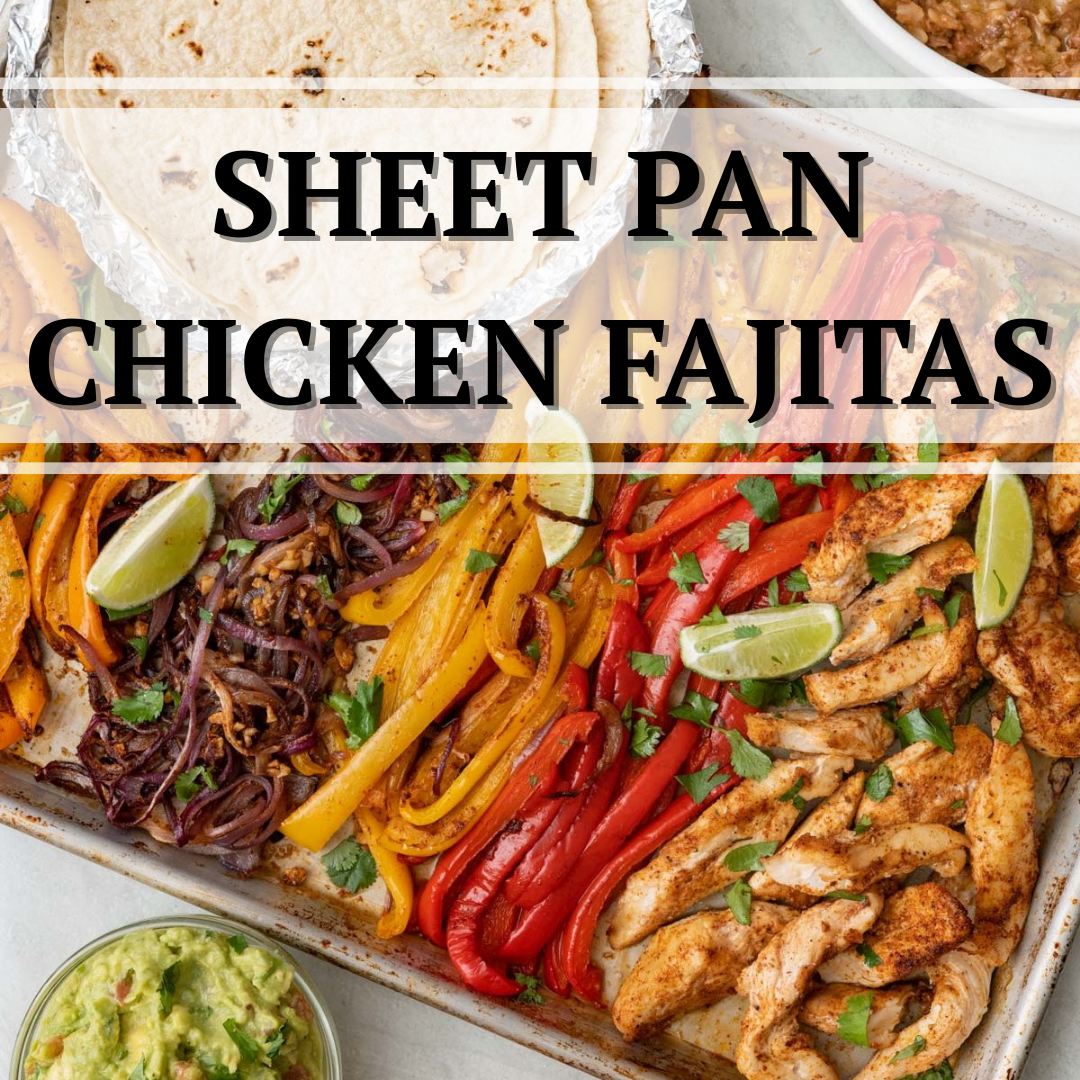
You know a recipe has reached legendary status when it starts showing up in every corner of the internet—TikTok, Instagram, Pinterest, your coworker’s lunch container. These sheet pan fajitas are that recipe.
And honestly? The hype is completely deserved.
Everything you love about sizzling restaurant fajitas—the charred peppers, the juicy seasoned meat, that irresistible smoky aroma—but without standing over a hot skillet or dealing with oil splatters everywhere.
You toss everything into a pan, slide it into the oven, and 25 minutes later, you’ve got a Tex-Mex feast that feeds a crowd. It’s the kind of recipe that makes you wonder why you ever did it any other way.
What Are Sheet Pan Fajitas?
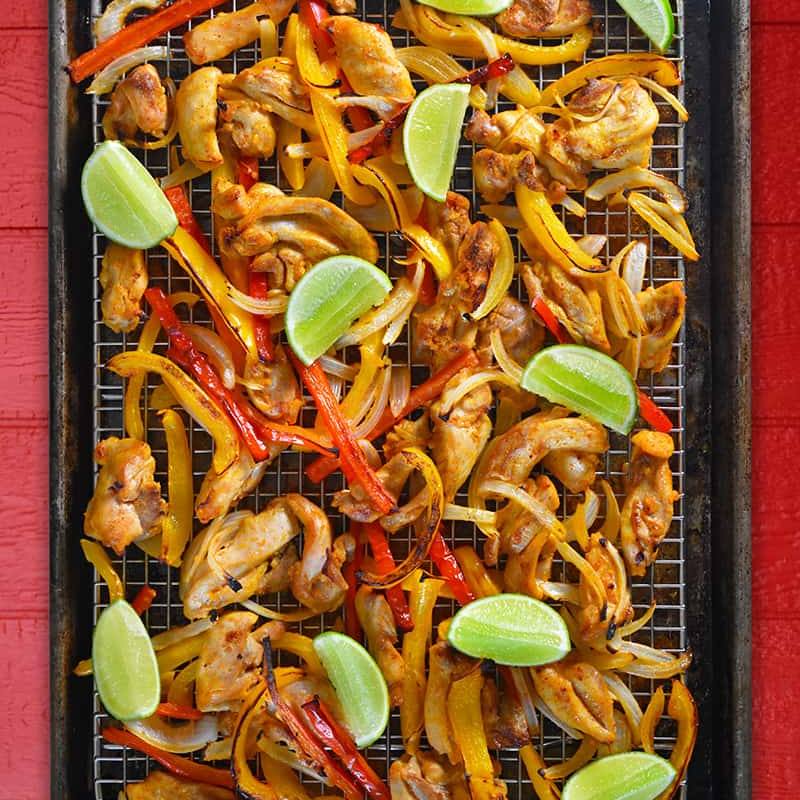
Traditional fajitas are made by cooking marinated meat and vegetables in a screaming hot cast-iron skillet, usually with lots of oil and a fair amount of mess.
Sheet pan fajitas take that same concept and simplify it—everything roasts together on a single baking sheet in a hot oven until the chicken is juicy, the peppers are tender-crisp, and the edges get those gorgeous caramelized char marks.
The word fajita actually comes from the Spanish word faja, meaning “belt” or “strip,” referring to the cut of meat traditionally used—skirt steak.
But these days, fajitas are made with everything from chicken to shrimp to portobello mushrooms. The real star is the seasoning: a smoky, slightly spicy blend of cumin, chili powder, paprika, and garlic that coats every piece of meat and vegetable.
Served in warm tortillas with all your favorite toppings, sheet pan fajitas are proof that easy and delicious aren’t mutually exclusive.
Tips for Cooking and Prepping
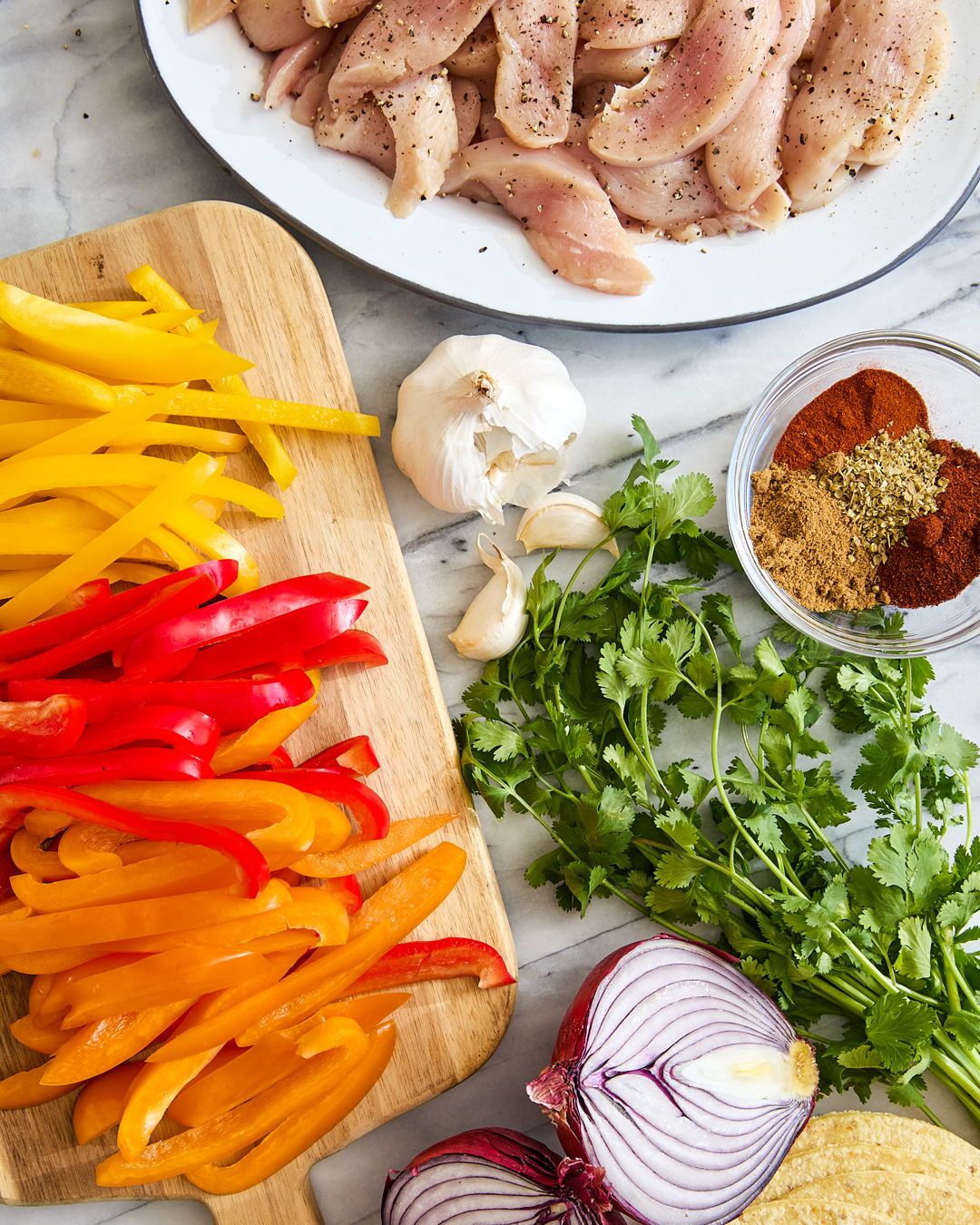
#1: Slice everything evenly.
This is the secret to perfectly cooked fajitas. Cut your chicken and vegetables into similar-sized strips so they cook at the same rate. I aim for strips about ½-inch thick—thin enough to cook quickly, but thick enough to get some nice char without turning to mush.
#2: Don’t overcrowd the pan.
I can’t stress this enough. If your pan is too crowded, everything steams instead of roasting, and you’ll end up with soggy peppers and pale chicken.
Use a large sheet pan (a half-sheet pan is ideal), and spread everything in a single layer with a little space between the pieces. If you’re cooking for a crowd, use two pans.
#3: Go hot and fast.
Crank your oven to 425°F (220°C) or even 450°F (230°C). The high heat is what gives fajitas that signature char and caramelization. Lower temperatures will cook the food, but you won’t get those delicious crispy edges that make fajitas so irresistible.
#4: Make your own seasoning.
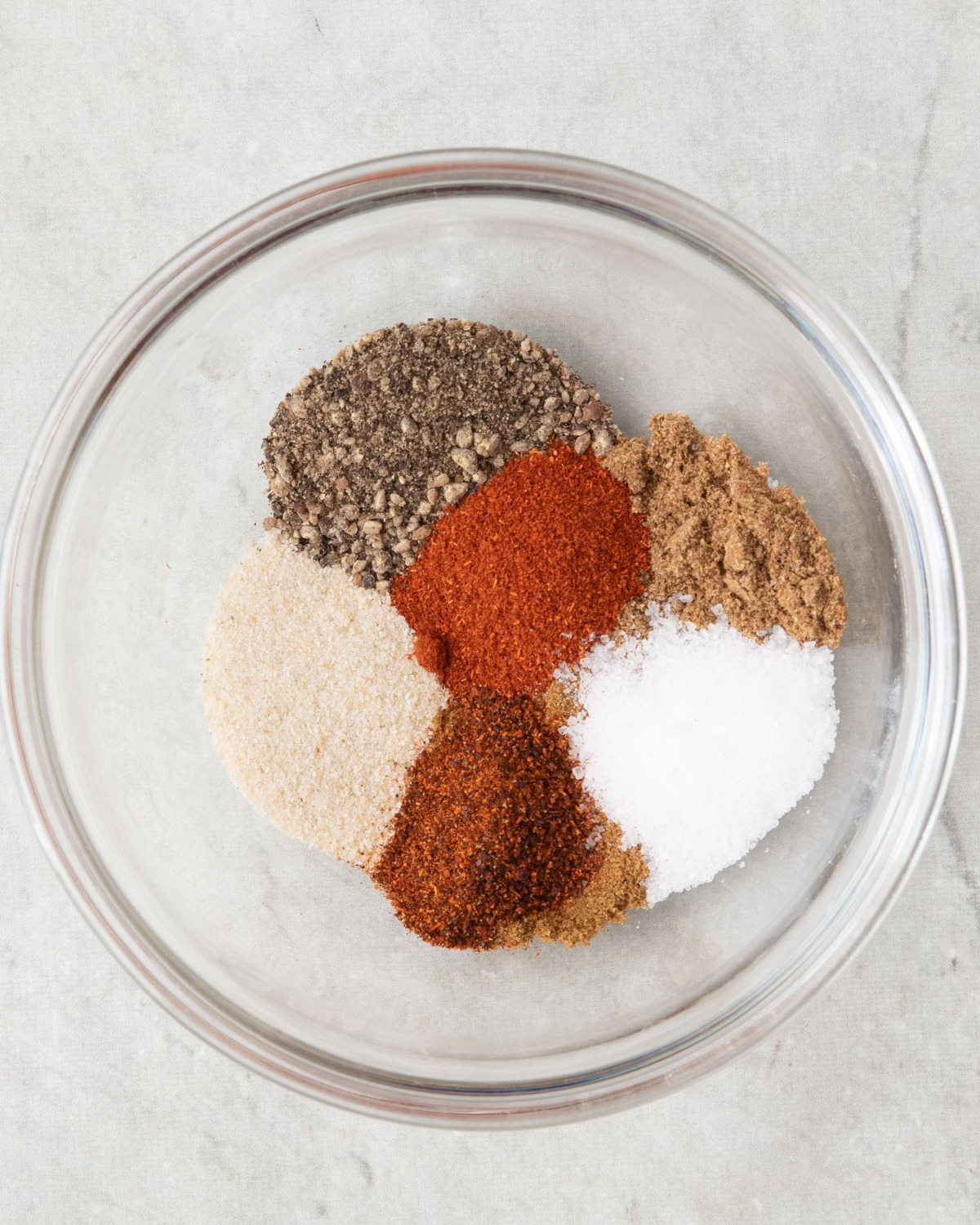
Store-bought fajita packets work in a pinch, but homemade seasoning tastes so much better. It takes 30 seconds to mix together, you control the salt level, and you probably already have everything in your spice cabinet. Plus, you can adjust the heat to your preference.
#5: Let the chicken marinate.
Even 15 minutes makes a difference, but if you can marinate the chicken for an hour or overnight, the flavor penetrates deeper, and the meat stays juicier.
I toss my chicken with the seasoning, a little oil, and lime juice, then let it hang out in the fridge while I prep everything else.
#6: Broil at the end for extra char.
Here’s my secret weapon: after the fajitas are cooked through, I switch the oven to broil for the last 2–3 minutes.
It blisters the peppers and gives the chicken those beautiful blackened edges that make restaurant fajitas so good. Keep a close eye on it, though—things can go from charred to burnt quickly.
Recipe Variations
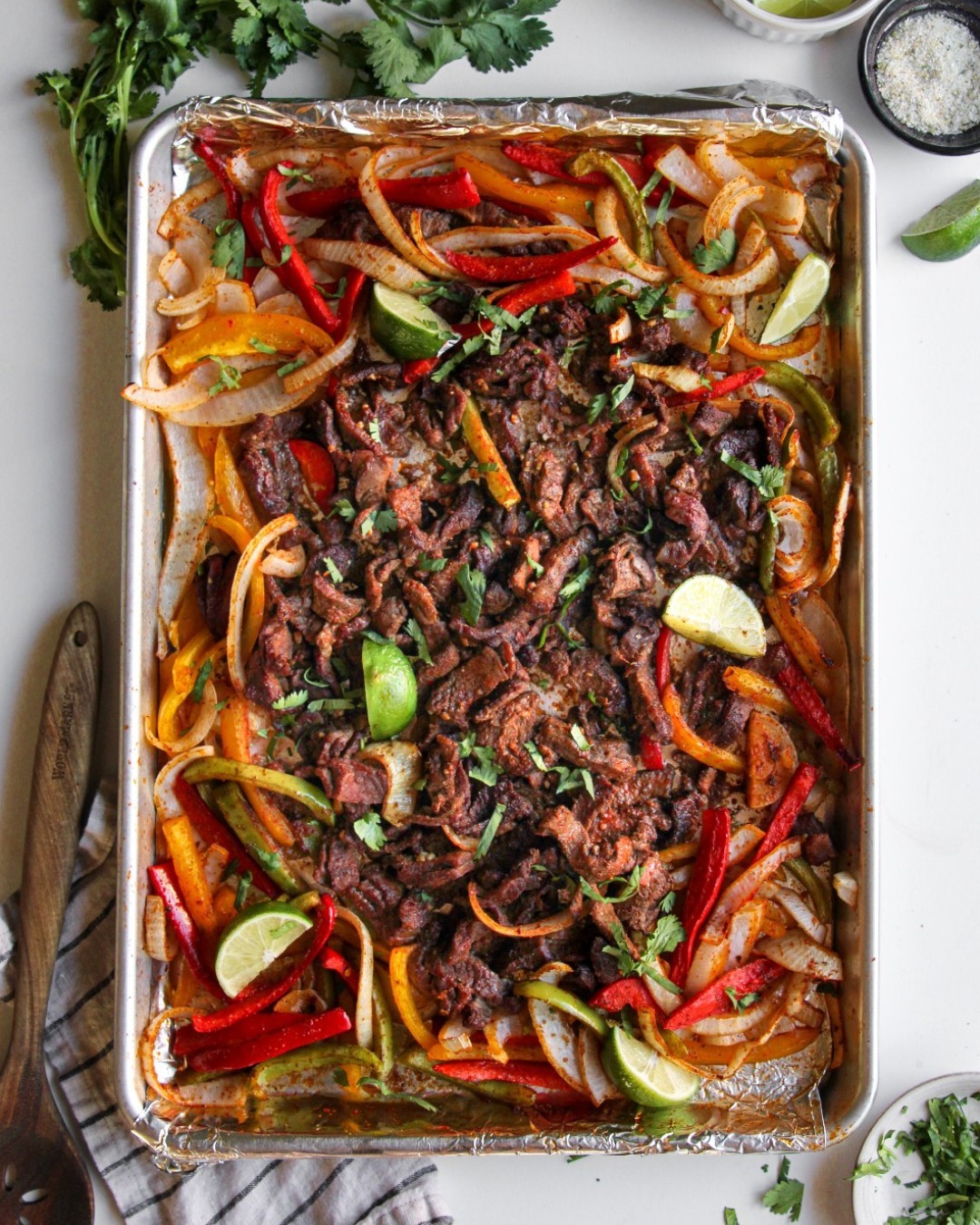
The beauty of fajitas is how endlessly customizable they are. Here are some of my favorite ways to switch things up.
Steak fajitas: Swap the chicken for flank steak or skirt steak, sliced thin against the grain. Steak cooks faster, so add it to the pan about 10 minutes after the vegetables, or cook it separately and combine at the end.
Shrimp fajitas: Large shrimp only need about 8–10 minutes in the oven. Toss them with the same seasoning and add them to the pan during the last 10 minutes of cooking so they don’t overcook.
Vegetarian fajitas: Load up on extra peppers, onions, zucchini, and mushrooms. Add a can of drained black beans during the last 5 minutes for protein. Portobello mushroom strips make a meaty, satisfying substitute.
Low-carb option: Skip the tortillas and serve your fajitas over cauliflower rice or in crisp lettuce cups. Still incredibly satisfying, but lighter.
Extra smoky: Add a teaspoon of chipotle powder to the seasoning blend, or toss in some sliced poblano peppers for a deeper, smokier flavor.
Serving Suggestions
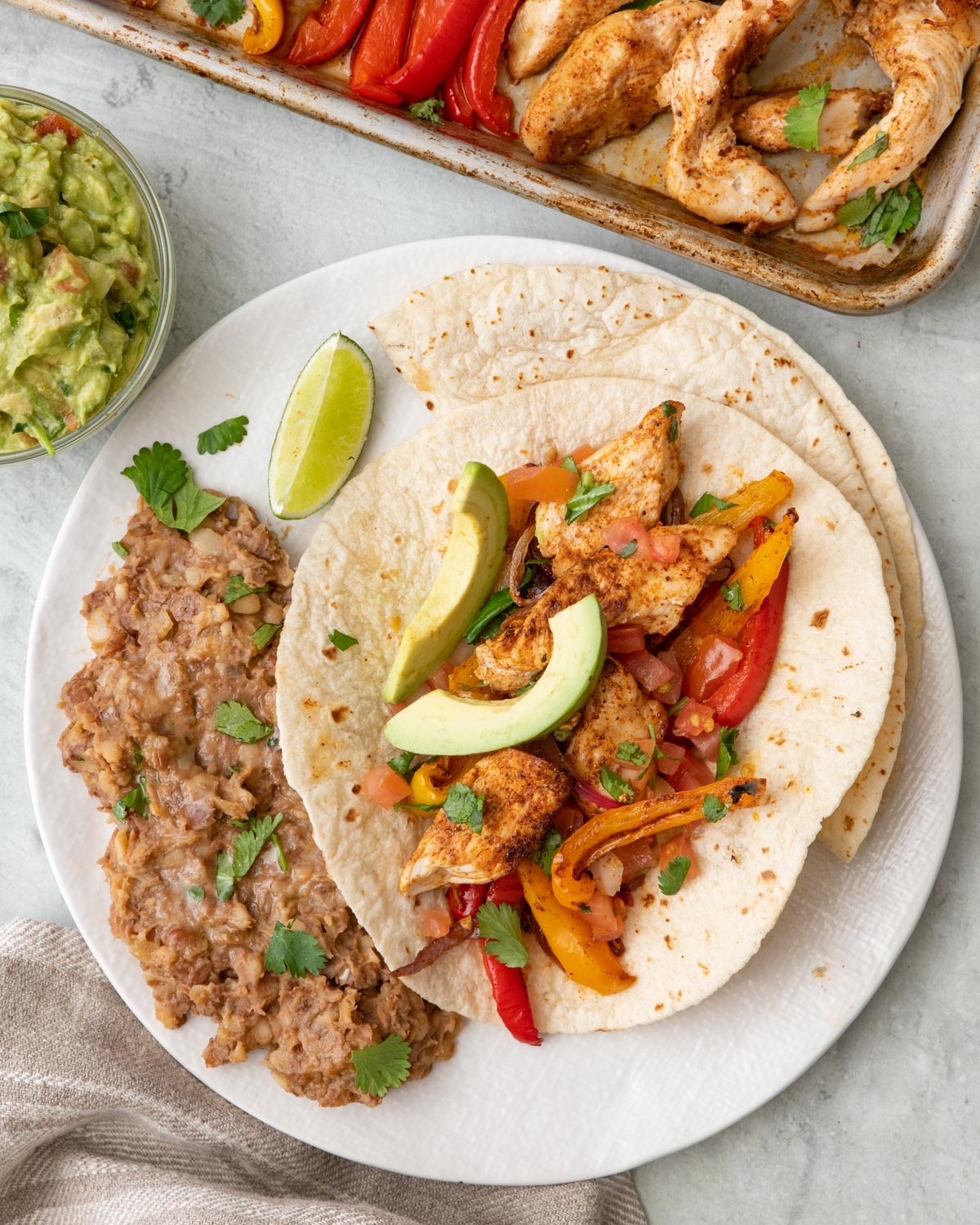
Fajitas are all about building your own, so I like to set up a little spread and let everyone customize their plate.
Warm tortillas are essential. I wrap a stack of flour or corn tortillas in foil and toss them in the oven during the last 5 minutes of cooking. They come out soft, pliable, and ready to be loaded up.
For toppings, I always put out sour cream, guacamole, shredded cheese, fresh salsa, and lime wedges. Pickled jalapeños, sliced radishes, and chopped cilantro are great if you want to go the extra mile.
On the side, cilantro lime rice, refried beans, or Mexican street corn round out the meal perfectly. If you’re keeping it simple, a handful of tortilla chips and some salsa are all you really need.
And if you want to go full-on fajita bowl style, skip the tortillas and pile everything over rice with all the fixings. It’s just as good—maybe even better for leftovers.
Storing and Make-Ahead Tips
Sheet pan fajitas are a meal prep dream. Once cooled, store the cooked chicken and vegetables in an airtight container in the fridge for up to 4 days. The flavors actually develop more as they sit, so leftovers taste amazing.
To reheat, I prefer a hot skillet over medium-high heat for a few minutes. It re-crisps the edges and brings back that sizzle. The microwave works too if you’re short on time—just cover loosely to prevent drying out.
For make-ahead prep, you can marinate the chicken and slice the vegetables up to 24 hours in advance. Store them separately in the fridge, then just toss everything in the pan and roast when you’re ready. It makes weeknight dinners incredibly fast.
If you want to freeze, I recommend freezing the raw marinated chicken rather than the cooked fajitas. Thaw overnight in the fridge, then roast as usual. The vegetables are best fresh since they can get mushy after freezing.
FAQs
Why are my fajitas soggy instead of charred?
Two common culprits: overcrowding the pan and not enough heat. Make sure your vegetables and chicken are spread in a single layer with space between them.
Also, crank your oven to at least 425°F. If your oven runs cool, go even hotter. And don’t forget to broil at the end for that final char.
Can I use chicken breast instead of thighs?
Yes, but chicken thighs are more forgiving. Breasts can dry out quickly, especially at high heat. If you use breasts, slice them thin and keep an eye on them—they may need a few minutes less in the oven. Thighs stay juicier and more flavorful, which is why I prefer them for fajitas.
How do I keep the tortillas from getting hard?
The key is steam and warmth. Wrap your tortillas in aluminum foil and heat them in the oven, or wrap them in a damp paper towel and microwave for 30 seconds. Keep them wrapped or in a tortilla warmer until serving so they stay soft and pliable.
Can I make fajitas without oil?
You can reduce the oil, but I don’t recommend skipping it entirely. Oil helps the seasoning stick, promotes browning, and prevents sticking. If you’re watching your fat intake, cut the oil down to 1 tablespoon and line your pan with parchment paper.
What’s the best way to slice peppers for fajitas?
Cut off the top and bottom of the pepper, then slice it in half and remove the seeds and membrane. Slice into strips about ½-inch wide—thin enough to cook quickly, but thick enough to have some bite. I like using a mix of colors for visual appeal.
Sheet Pan Chicken Fajitas
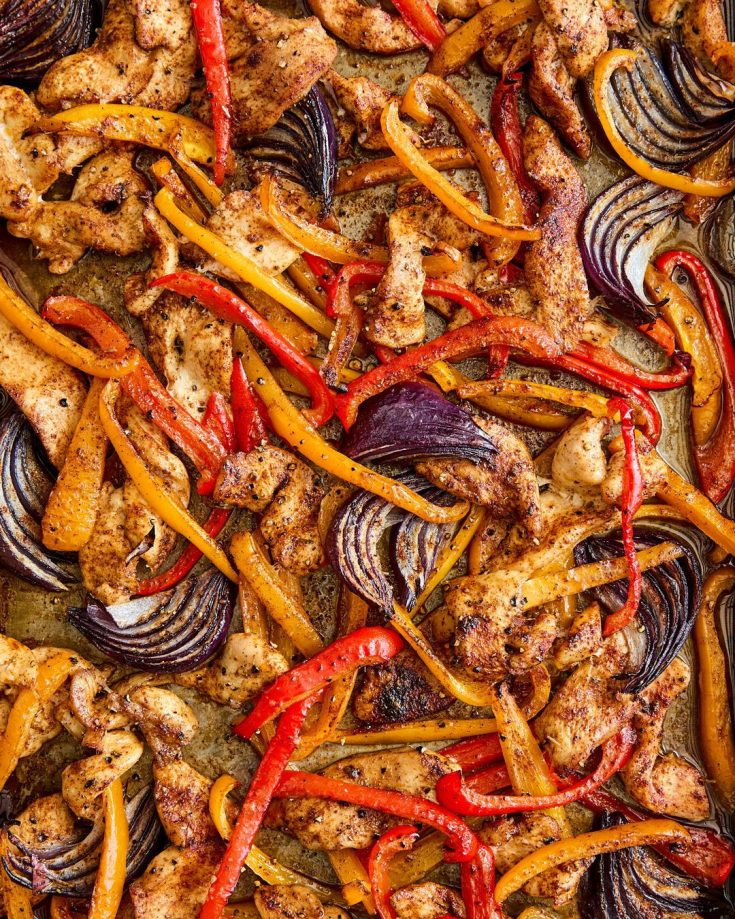
Image credit: @damn_delicious
Ingredients
For the Fajita Seasoning
- 1 tablespoon chili powder
- 1 teaspoon ground cumin
- 1 teaspoon smoked paprika
- ½ teaspoon garlic powder
- ½ teaspoon onion powder
- ¼ teaspoon cayenne pepper (adjust to taste)
- 1 teaspoon salt
- ½ teaspoon black pepper
For the Fajitas
- 1½ pounds boneless, skinless chicken thighs, sliced into strips
- 3 bell peppers (mixed colors), sliced into strips
- 1 large red onion, sliced into strips
- 3 tablespoons olive oil
- Juice of 1 lime
For Serving
- 8 small flour or corn tortillas
- Sour cream
- Guacamole or sliced avocado
- Shredded cheese
- Fresh salsa or pico de gallo
- Fresh cilantro, chopped
- Lime wedges
Instructions
- Make the seasoning. In a small bowl, mix together chili powder, cumin, smoked paprika, garlic powder, onion powder, cayenne, salt, and black pepper. Set aside.
- Prep the chicken and vegetables. Place the sliced chicken, bell peppers, and red onion on a large sheet pan. Drizzle with olive oil and lime juice, then sprinkle the fajita seasoning over everything. Toss until evenly coated.
- Arrange on the pan. Spread the chicken and vegetables in a single layer, making sure not to overcrowd. Use two pans if necessary.
- Roast. Bake at 425°F (220°C) for 20–25 minutes, stirring halfway through, until the chicken is cooked through and the vegetables are tender with charred edges.
- Broil for extra char. Switch the oven to broil and cook for an additional 2–3 minutes, watching carefully, until the edges are slightly blistered and caramelized.
- Warm the tortillas. Wrap tortillas in foil and place in the oven during the last 5 minutes of cooking.
- Serve. Transfer the fajitas to a serving platter. Serve with warm tortillas and all your favorite toppings. Let everyone build their own and enjoy.
Featured image credit: @feelgoodfoodie
